 ← Articles
If you eat a vegetarian diet, vitamin B12 deserves attention. It supports healthy blood and nerve function, but reliable natural food sources are mainly animal foods. Here are practical Indian options and common mistakes to avoid.
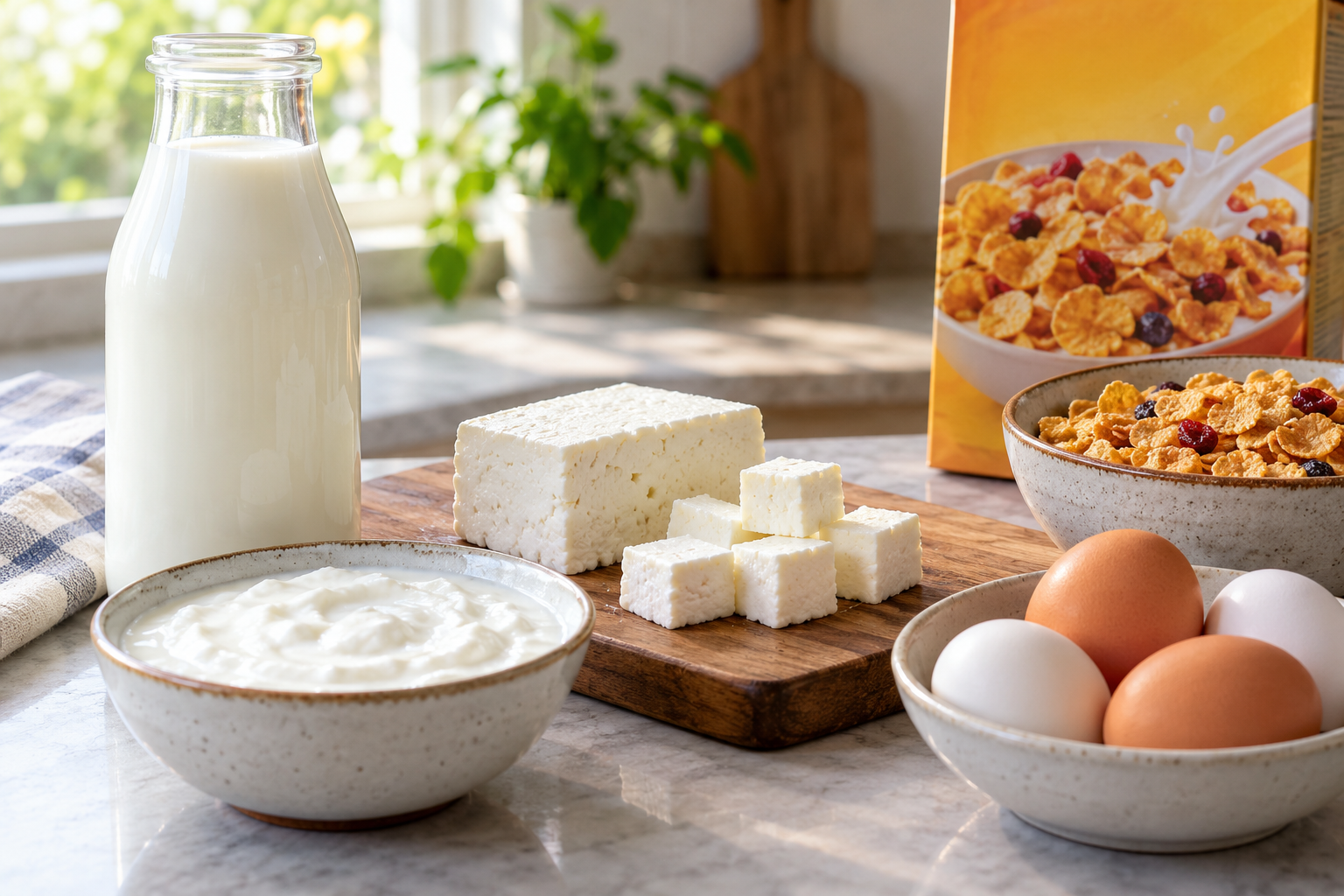
Milk, curd, paneer and cheese can provide B12. Eggs are another source if your diet includes them. The amount varies by food and portion, so eating one egg or a little curd occasionally is not a guarantee that you meet your needs. Read labels of packaged foods to see whether B12 has been added.
Some breakfast cereals, plant milks and nutritional yeast products are fortified with B12. “Fortified” means the nutrient was added; an unfortified version may contain little or none. Check the nutrition panel for vitamin B12 per serving and the serving size. Imported product examples may not match what is sold in India.
Do not rely on spinach, mushrooms, spirulina or fermented foods as a consistent B12 source. People who eat no animal products generally need a reliable fortified food or a supplement. A dietitian or clinician can help choose an appropriate option.
If you have unexplained fatigue, tingling, numbness or other symptoms, see a healthcare professional; symptoms are not enough to diagnose a deficiency. Pregnancy, older age, some medicines and digestive conditions can change B12 needs or absorption. Ask about testing and treatment rather than taking high-dose supplements to guess.
For a lacto-vegetarian, curd at breakfast and milk or paneer in meals may contribute B12, alongside other nutrients. For a vegan, plan a dependable fortified product or supplement and check its label. Either way, keep the rest of the diet varied with pulses, grains, vegetables and fruit.
NIH Office of Dietary Supplements: vitamin B12 · How to read food labels · Healthy Indian diet guide
This article provides general education and does not replace individual medical or dietetic advice.
← All articles