 ← Articles
Calorie counting is one way to understand intake, but it is not required for everyone. If you want to manage weight, small food and routine changes can help you eat a little less energy while still getting useful nutrients.
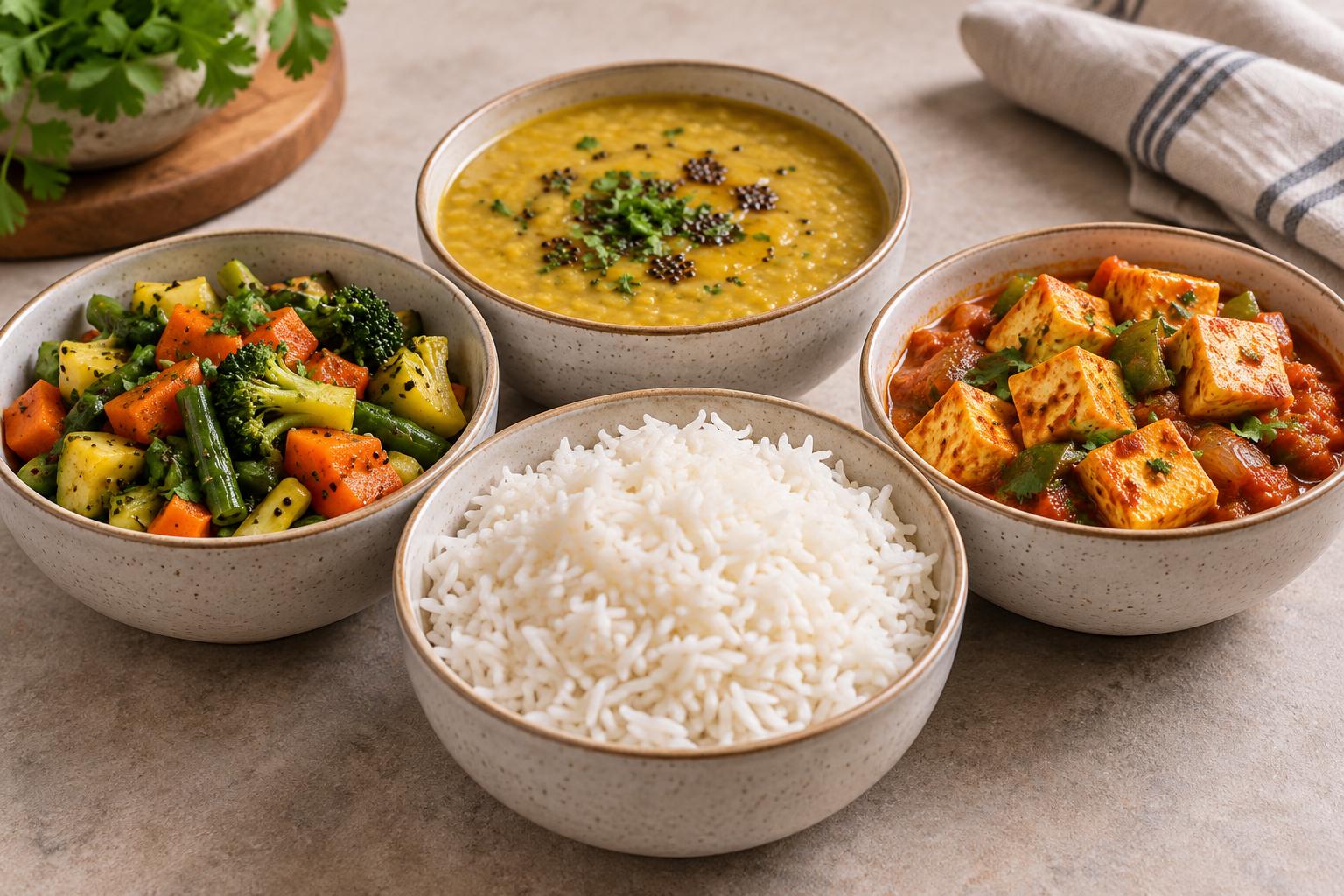
Build meals around vegetables, a protein source and a staple. Dal, sabzi and roti are a better starting point than skipping lunch and arriving at dinner ravenous. Fibre and protein can help a meal feel more filling.
Serve food on a plate, pause before taking seconds and check whether you are still hungry. Use smaller amounts of oil, ghee, sweets and fried snacks if these are frequent. Do not cut out entire food groups without a reason.
Water, plain tea or unsweetened drinks can replace some sugary beverages. For snacks, try fruit with curd, roasted chana or an egg. You can still enjoy a sweet or savoury treat; frequency and amount matter.
Regular activity, sleep and stress management support weight goals. The CDC notes that a calorie deficit can lead to weight loss, but the best way to create it varies by person. Aim for habits you can repeat rather than a short crash diet.
Breakfast: vegetable poha with curd or eggs. Lunch: dal, rice and sabzi. Snack: fruit and roasted chana. Dinner: roti with paneer, tofu or fish and vegetables. Adjust the portions to appetite, activity and health needs.
Seek individual advice if you are pregnant, have diabetes or a history of disordered eating, or experience unexplained weight changes. A registered dietitian can help make a plan without excessive restriction.
CDC: steps for losing weight · Managing weight with Indian food · Morning drinks guide
This article provides general education and does not replace individual medical or dietetic advice.
← All articles